Real estate web design built around your inventory and your inquiries
We design and build websites for real estate firms that need more than a template: portfolio and property pages that rank, a clear path to a tour or a call, and tracking that shows what the site produces.
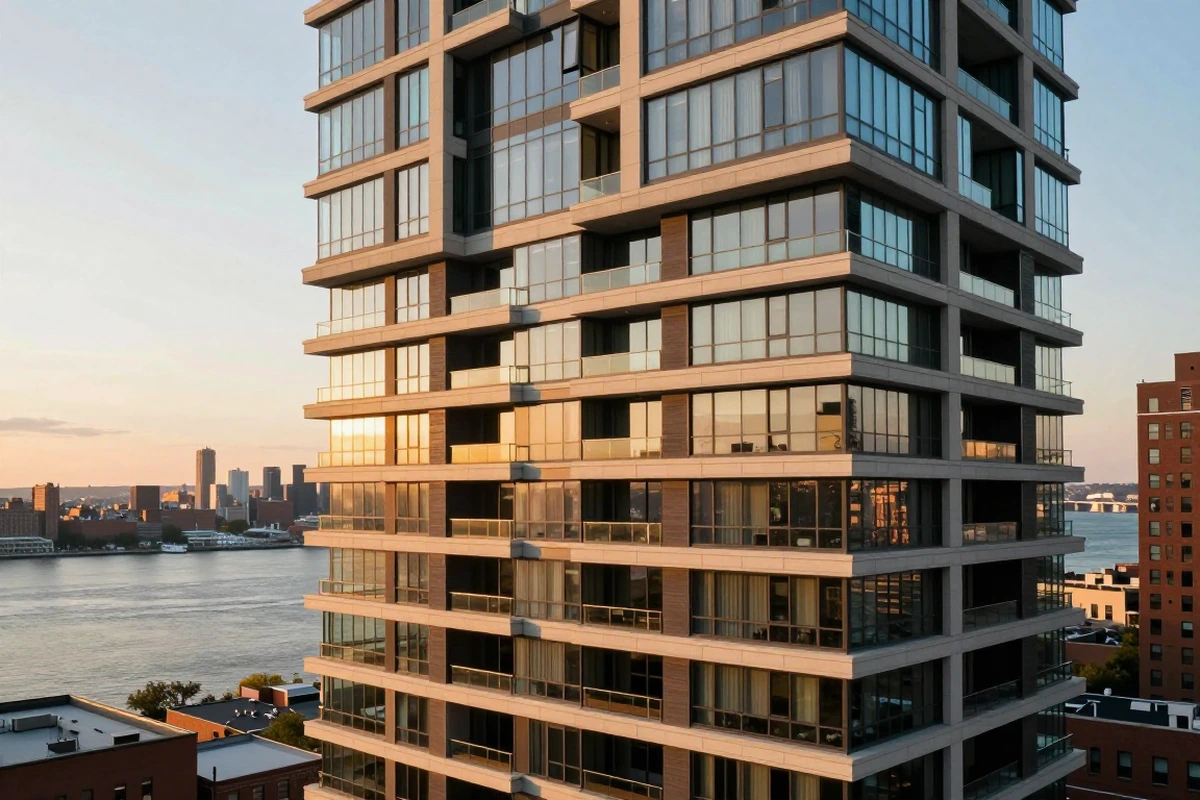
Case study · Property Management
Property Perfected: 574% Search Visibility Lift in 90 Days
- Search Visibility
- +574%
- first 90 days
- Click Growth
- +100%
- month over month
- CTR Improvement
- +70%
- after optimization
- Branded Search
- #1
- position for brand queries
What ships
Each engagement is scoped to your properties and market. These are the pieces most real estate web design programs include.
Positioning and content plan
Who the site serves, what each audience needs to see, and the page list that follows from it.
Custom design system
Typography, color, photography direction and components designed for your brand, not a theme.
Property and portfolio pages
Structured pages for buildings, listings or communities with specs, media, maps and inquiry forms.
Listing feeds and integrations
IDX, property management software, CRM and calendar integrations where your workflow needs them.
Copywriting
Plain, specific copy for every core page, written with your team and checked against your records.
Technical SEO foundation
Clean URLs, structured data, sitemaps, redirects from your old site and fast page templates.
Accessibility
Designed and tested against WCAG 2.2 AA so the site works for keyboard and screen reader users.
Analytics and lead routing
Key events, call tracking and form routing to the right person, with the source attached to every lead.
What a real estate website has to do
A real estate website works for several audiences at once. A brokerage site has to win sellers and buyers, help recruit agents and give referral partners something to share. A property management site has to convince owners to hand over their buildings while serving residents who need to pay rent at 11 p.m. An owner's portfolio site has to answer a tenant-rep broker's questions faster than a marketplace listing.
We start by naming those audiences and the one action each should take. Every page on the site exists to move one of them toward that action. Pages that serve nobody get cut, which is why our sites are usually smaller and clearer than the ones they replace.
Built around real inventory
The most useful pages on a real estate site describe actual properties. We design property templates that carry the details people compare: size, layout, price or terms, photos, floor plans, location and availability, with an inquiry path beside them. When inventory changes often, we connect a feed from your listing or property management system so pages stay current without anyone retyping data.
For commercial portfolios that means building pages with availability tables and downloadable flyers. For residential teams it means listing search that works on a phone. For developers it means a project site that can move from waitlist to sales without a rebuild.
Custom build or template
Templates and website platforms are a reasonable choice for a single agent who needs something live this month. They get expensive in other ways once a firm has a portfolio, several audiences and a need to rank: slow page templates, duplicate listing descriptions, limited control over URLs and structured data, and designs that look like every competitor's.
| Consideration | Template platform | Custom build |
|---|---|---|
| Time to launch | Days to weeks | Typically 8-14 weeks |
| Design | Shared themes, limited changes | Designed for your brand and audiences |
| SEO control | Fixed URLs and markup | Full control of URLs, schema and speed |
| Integrations | What the platform supports | Your CRM, listing and PM systems |
| Ownership | Rented; leaving means rebuilding | You own the code, content and domain |
Speed, accessibility and search from day one
Real estate pages are heavy by nature: photo galleries, maps, video tours and third-party widgets. We budget for that from the first design review, compress and size images properly, load maps and tours only when someone asks for them, and test every template against Core Web Vitals before launch. Our guide on website speed and real estate SEO explains the thresholds we build to.
Accessibility is designed in, not audited in at the end. Color contrast, focus states, form labels and keyboard navigation are part of the component library, and we test with a screen reader before launch. That work also tends to make forms easier for everyone to complete.
When we replace an existing site, we map every indexed URL to its new home with permanent redirects so the rankings and links your old site earned carry over.
Measured by what the site produces
Launch is the start of measurement. Every form, phone number and booking link is tracked as a key event, tagged with its source, and routed to the right person in your team. Monthly reporting shows inquiries by page and channel, so decisions about the next round of pages are based on what actually produced leads.
For Property Perfected, a Jersey City property management firm, a new site with local SEO and owner-focused content lifted search visibility 574% in the first 90 days. The case study walks through what we built.
How to brief a real estate web design agency
Whoever you hire, a good brief shortens the project and improves the result. Before the first call, gather the following:
- The two or three audiences the site must serve and the action you want from each.
- Your inventory: how many properties or listings, where the data lives and how often it changes.
- The systems the site must connect to, such as your CRM, IDX provider or property management software.
- Three competitor or peer sites you respect, and what specifically you like about each.
- How you measure success today, and who in your team will own the site after launch.
Copy that sounds like your firm
Most real estate websites say the same things in the same words. Clients can tell. We interview the people who do the work, from brokers and property managers to leasing agents and asset managers, and write from what they say and what your records show. The result is plain, specific copy that sounds like your firm and answers the questions clients actually ask.
Every factual claim is checked before launch: property details against your records, credentials against licenses, and any result against the data behind it. It is slower than filling pages with generic copy, and it is the difference between a site that builds trust and one that gets skimmed.
Updated September 29, 2026 · Michael Berardi, founder
How we work
- 01
Discovery
Interviews, analytics review and a content inventory, ending in a sitemap and a fixed-scope plan.
- 02
Design
Key templates designed with real content and photography, reviewed at desktop and phone sizes.
- 03
Build
Development, integrations, copy, redirects, accessibility and speed testing on a staging site you can review.
- 04
Launch and measure
Go-live, Search Console and analytics checks, then 30 days of fixes and a first performance report.
Pricing
Published starting points, so you can tell early whether we fit. Every proposal is fixed-scope and written after the review.
All pricingFixed-fee project
From $8,000
Most brokerage, owner and property management sites land between $12,000 and $40,000 depending on page count, integrations and copywriting. Hosting, care and ongoing SEO are optional monthly add-ons. See all pricing.
Read before you hire anyone
Real Estate Web Design: common questions
How long does a real estate website take to build?
Most custom sites take 8 to 14 weeks from discovery to launch. Single-property or small portfolio sites can be faster; sites with several integrations or hundreds of pages take longer.
Can you connect our IDX or property management software?
Yes. We integrate listing feeds, IDX providers and common property management and CRM systems. During discovery we confirm what each system's feed or API allows before scoping it.
Will we be able to update the site ourselves?
Yes. Every site ships with a CMS set up for the content your team changes most, such as listings, availabilities, team members and articles, plus a short training session and written guide.
Do we own the website?
Yes. You own the domain, the content, the design and the code. If you ever move to another team, everything goes with you.
Will we lose our search rankings when the new site launches?
Not if the migration is handled properly. We map every indexed URL on your current site to its new equivalent with permanent redirects and monitor Search Console closely after launch.
Do you write the copy?
Yes. Copywriting for core pages is included. We interview your team, draft plainly and specifically, and check every fact against your records before it goes live.