Real estate PPC that optimizes for signed leases, not clicks
Paid search can bring owners, tenants and buyers who are ready to act this week. We build Google Ads and paid social campaigns that follow housing ad policies, track every call and form, and feed real outcomes back to the platforms.
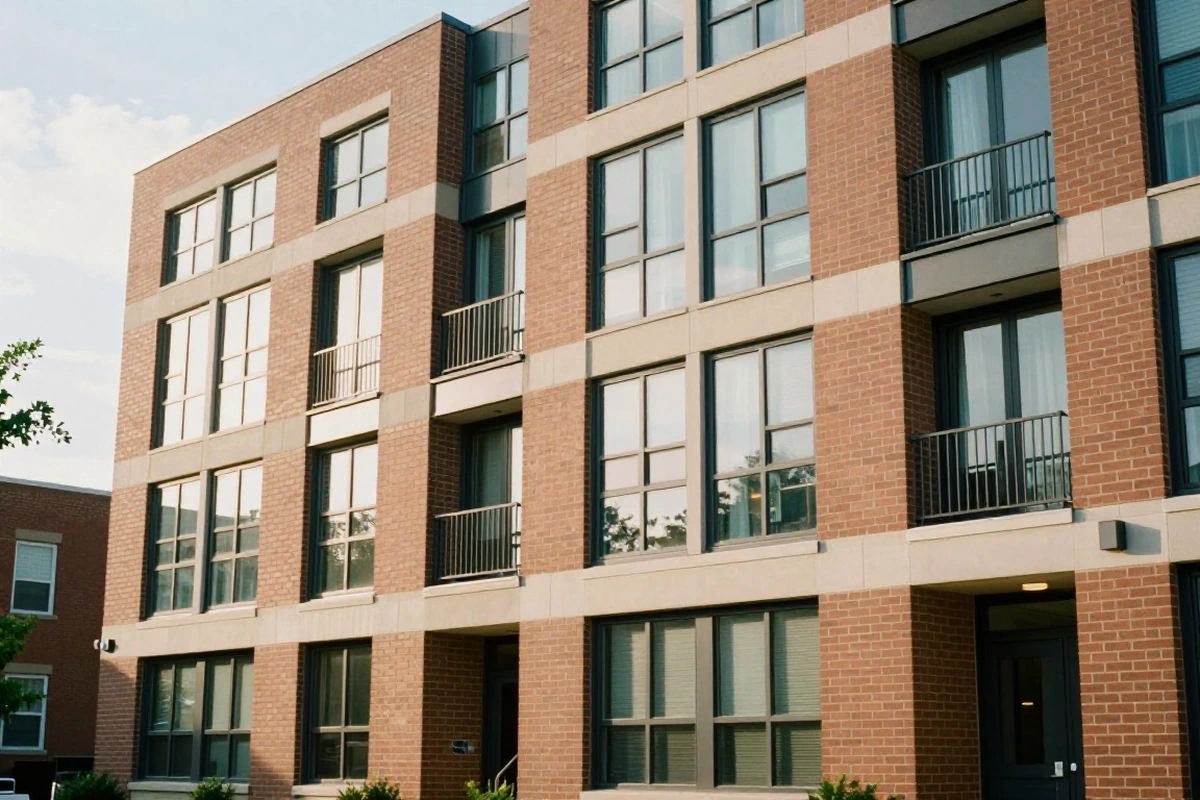
Case study · Student Housing
Woodrow on 30th: End-to-End Tour Attribution Achieved
- Click-Through Rate
- >7%
- during leasing window
- Tour Attribution
- End-to-End
- click to booking
- Occupancy Target
- Achieved
- ahead of deadline
- Campaign Speed
- Days
- not weeks to launch
What ships
Each engagement is scoped to your properties and market. These are the pieces most real estate ppc programs include.
Account audit
Structure, search terms, wasted spend, tracking gaps and policy issues in your current accounts.
Intent-based structure
Campaigns split by audience and intent: owners, tenants, buyers, brand and competitor terms.
Negative keyword system
Maintained lists that keep job seekers, renters on owner campaigns and research traffic out.
Landing pages
Dedicated pages that match each ad group's promise, with one clear action.
Conversion tracking
Forms, calls, chat and booking tools tracked as key events, with call tracking numbers.
Offline conversion import
Qualified leads, tours and signed leases sent back to Google Ads so bidding learns what matters.
Paid social
Meta campaigns in the housing Special Ad Category for lease-ups and listings.
Weekly management
Search term reviews, bid and budget changes, ad testing and a monthly outcome report.
Why real estate PPC wastes money
Most wasted real estate ad spend comes from three problems. Campaigns mix intents, so a property manager's owner campaign also pays for renters looking for apartments. Landing pages send every click to the home page. And the platform optimizes for form fills, because nobody told it which leads became tours or signed agreements.
Fixing those three things usually matters more than any bidding tactic. It is where every engagement starts.
Housing ad rules come first
Housing is a special category on the major ad platforms in the United States. Google restricts targeting for housing ads, including options based on age, gender, family status and ZIP code, and Meta requires housing ads to run in its Special Ad Category with limited targeting. These rules exist to support fair housing law, and violating them gets ads disapproved and accounts restricted.
We design campaigns around what remains available: keywords, location radius, creative and landing pages. Done well, those carry performance on their own.
Structure by intent
Each audience gets its own campaigns, keywords, ads and landing pages. An owner searching "property management company Hoboken" sees an ad about management services and lands on an owner page with a rental analysis offer. A renter searching "2 bedroom apartment Hoboken" is either excluded or sent to a listings page, depending on your business.
| Campaign | Example searches | Landing page |
|---|---|---|
| Owner acquisition | property management company [city] | Owner services and rental analysis |
| Brand | [firm name], [firm name] reviews | Home page or owner page |
| Vacancies | apartments for rent [neighborhood] | Listings filtered to that area |
| Commercial | commercial property management [city] | Commercial services page |
Teaching the platform what a good lead is
Automated bidding is only as good as the signal it receives. When a form fill and a signed management agreement count the same, the system finds more cheap form fills. We connect your CRM or leasing records so qualified leads, tours and signed deals are imported back into Google Ads as offline conversions. Bidding then learns which searches and audiences produce business.
At Woodrow on 30th we rebuilt tracking before optimizing anything, then moved budget toward campaigns producing tours. The property reached its occupancy target ahead of its deadline. See the case study and our guide to real estate lead attribution.
Budgets that follow outcomes
We review search terms and performance weekly, and budget moves toward campaigns producing tours and agreements at an acceptable cost. Campaigns that spend without results get restructured or paused. Monthly reports show spend, leads, tours and signed business by campaign, so you can judge paid search next to SEO and referrals on equal terms.
Ad spend is billed by Google and Meta directly to your account. You own the accounts and all their history.
Landing pages that earn the click
An ad makes a promise and the landing page has to keep it immediately. If the ad offers a free rental analysis, the page headline says rental analysis, the form asks only what is needed and a phone number sits beside it. If the ad names a neighborhood, the page shows listings or services in that neighborhood.
We build and test landing pages as part of the engagement, keep them fast on phones and remove navigation that distracts from the one action. Small changes, such as fewer form fields or a clearer headline, often reduce cost per lead more than any bid change.
Brand and competitor searches
Brand campaigns protect searches for your own firm or building name, which are cheap and convert well, and stop competitors from appearing above you. We keep brand campaigns separate so their strong numbers never hide weak performance elsewhere.
Bidding on competitor names can work for some firms but tends to be expensive and low-converting. We test it carefully, with ads that make an honest comparison of your services, and stop quickly if it does not produce qualified leads. Trademark use in ad text follows Google's policies.
Updated September 29, 2026 · Michael Berardi, founder
How we work
- 01
Audit
Account, tracking and policy review with a list of wasted spend and quick fixes.
- 02
Rebuild
Campaign structure, negatives, landing pages and conversion tracking set up properly.
- 03
Launch
Campaigns go live with offline conversion import connected to your CRM or leasing records.
- 04
Manage
Weekly optimization and monthly reporting on tours, agreements and cost per outcome.
Pricing
Published starting points, so you can tell early whether we fit. Every proposal is fixed-scope and written after the review.
All pricingMonthly management
From $1,500/mo
Plus ad spend, paid directly to Google or Meta. Includes landing page updates and reporting. New landing pages or a tracking rebuild may carry a one-time setup fee. See all pricing.
Read before you hire anyone
Real Estate PPC: common questions
How much should we spend on Google Ads?
Enough to generate meaningful data in your market within a month or two. That depends on click costs and how many tours or agreements you need. We model it during the audit before recommending a budget.
What are the housing ad restrictions?
In the US, Google restricts targeting for housing ads, including by age, gender, family status and ZIP code, and Meta requires housing ads to run in its Special Ad Category. We plan campaigns within those rules.
Do we keep our ad accounts?
Yes. Accounts are in your name, ad spend is billed to you by the platforms and all history stays with you.
Can you track phone calls?
Yes. We use call tracking numbers on ads and landing pages and record qualified calls as conversions, so phone leads count alongside forms.
How soon will we see results?
Paid search produces traffic immediately. Useful optimization data usually arrives within four to eight weeks, depending on budget and volume.