Multifamily marketing measured in tours and signed leases
Apartment marketing budgets are easy to spend and hard to trace. We build community websites, apartment SEO and paid campaigns that show which dollars produced tours, applications and leases, then move budget accordingly.
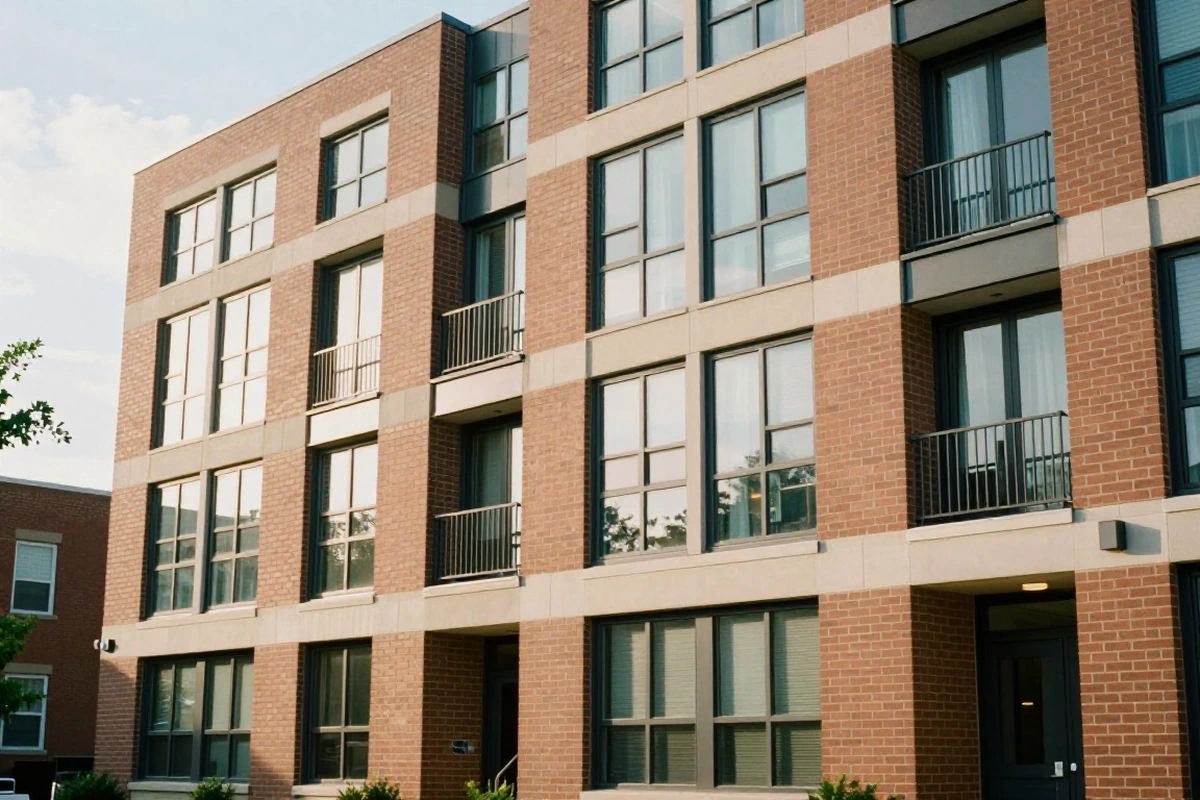
Case study · Student Housing
Woodrow on 30th: End-to-End Tour Attribution Achieved
- Click-Through Rate
- >7%
- during leasing window
- Tour Attribution
- End-to-End
- click to booking
- Occupancy Target
- Achieved
- ahead of deadline
- Campaign Speed
- Days
- not weeks to launch
What ships
Each engagement is scoped to your properties and market. These are the pieces most multifamily marketing programs include.
Community websites
Fast property sites with floor plans, live availability, pricing where published and tour scheduling.
Apartment SEO
Floor plan, neighborhood and amenity pages that rank for local apartment searches.
Google Business Profile
A complete profile per community with photos, attributes, posts and review responses.
Paid search and social
Google Ads and Meta campaigns run under housing ad policies, optimized to tours.
Tour and lead tracking
Forms, calls, chat and scheduling tracked as key events and passed to your CRM.
Lease-up campaigns
Pre-leasing sites, waitlists and launch campaigns for new deliveries.
Reputation program
Review requests at move-in and maintenance completion, with response guidelines.
Occupancy reporting
Weekly or monthly reporting on leads, tours, applications and leases by channel.
Where multifamily marketing budgets leak
Most communities pay for several channels at once: listing services, paid search, social ads, a website package from the property management platform and a reputation tool. Each reports its own leads, the totals rarely match the leasing office's numbers, and nobody can say which channel produced last month's signed leases.
We start by fixing that. When every tour and application carries its source, the spending decisions get much easier. Some channels turn out to produce leases cheaply. Others mostly produce duplicate leads that would have arrived anyway.
Tracking first, then optimization
At Woodrow on 30th, a Baltimore student housing property with a hard leasing deadline, campaigns could not be optimized because conversion tracking was unreliable. We rebuilt tracking for forms, tour bookings and applications before touching the ads. Then we shifted budget toward the segments and campaigns producing actual tours. Click-through rates ran above 7% during the leasing window and the property reached its occupancy target ahead of the deadline. The Woodrow on 30th case study has the details.
The same order applies to every community: tracking, then budget decisions, then creative and targeting refinements.
A community site that books tours
Prospects want floor plans, prices and availability, photos, the neighborhood and a way to book a tour now. Community sites often bury these under generic lifestyle copy. We design around the prospect's real sequence: pick a floor plan, check availability and price, see the unit and the neighborhood, schedule a tour.
- Floor plan pages with dimensions, photos or 3D tours, pricing where you publish it and current availability.
- Tour scheduling built into the page, including self-guided tours where you offer them.
- Neighborhood pages with transit, employers, schools or campus distance and local favorites.
- Speed on phones, because most apartment searches happen there.
Apartment SEO beyond the listing services
Listing services rank for broad searches like "apartments in Baltimore." A community can still win searches for its own name, its neighborhood, specific floor plans and amenity-driven searches like "pet friendly apartments near Johns Hopkins." Those visitors arrive on your site, where the tour booking and the lead data are yours.
Google Business Profile matters as much as the website in these searches. Each community gets a complete profile with accurate attributes, current photos, regular posts and prompt review responses. Our multifamily SEO guide goes deeper.
Paid media within housing policies
Housing ads have restricted targeting on the major platforms. Meta requires housing ads to run in its Special Ad Category, and Google restricts targeting options for housing ads in the United States. We plan campaigns within those rules from the start: location, creative and keywords do the work instead of demographic targeting. It keeps campaigns compliant and avoids disapprovals mid-season.
Lease-ups and new deliveries
A new building needs demand before the certificate of occupancy. We launch a pre-leasing site with a waitlist, renderings clearly labeled as such, floor plans and a tour or leasing center booking path, then build campaigns that ramp as delivery approaches. Our developer marketing service covers the full launch.
Reviews and renewals
Prospects read reviews before they book a tour, and ratings on Google influence which communities appear in local results. We set up review requests at the moments residents are most satisfied, such as move-in and completed maintenance, write response guidelines for the onsite team and monitor every profile. Requests follow Google's policies: no incentives and no filtering of who gets asked.
Renewals are the cheapest lease a community signs. Resident communication, a well-kept resident section of the site and quick responses to complaints protect them, and they belong in the same marketing plan as new leases.
Programs for portfolios
For operators with several communities we run one program with shared standards and per-community reporting. Site templates, tracking, profile management and review processes are built once and applied everywhere, which lowers cost per community and makes performance comparable across the portfolio.
Portfolio reporting shows which communities need attention before occupancy slips: falling tour volume, a drop in conversion from tour to application, or a review score trending down. It gives regional and asset managers a shared view of what marketing is producing at each property.
Updated September 29, 2026 · Michael Berardi, founder
How we work
- 01
Audit
Channel spend, lead and lease data, website, Google Business Profiles and tracking for each community.
- 02
Fix tracking
Key events, call tracking, scheduling and CRM source fields set up so every lease has an origin.
- 03
Launch
Site improvements, SEO pages, profile work and campaigns built around your occupancy targets.
- 04
Optimize
Budget moved weekly or monthly toward the channels producing tours and signed leases.
Pricing
Published starting points, so you can tell early whether we fit. Every proposal is fixed-scope and written after the review.
All pricingMonthly program
From $2,000/mo
Per community, with portfolio rates for three or more. Ad spend is paid directly to the platforms. A new community website or pre-leasing site is quoted as a fixed project. See all pricing.
Read before you hire anyone
Multifamily Marketing: common questions
Should we stop paying for listing services?
Not until the data says so. Once tours and leases are tracked by source, you can see what each listing service actually produces and decide with evidence.
Can you work with the website our property management platform provides?
Sometimes. If it allows the pages, speed and tracking we need, we improve it. If not, we build a community site and connect it to the platform's availability and application tools.
How do housing ad rules affect paid campaigns?
Meta housing ads run in a Special Ad Category with limited targeting, and Google restricts targeting for US housing ads. We plan campaigns around location, keywords and creative so they stay effective and compliant.
Do you work with student housing?
Yes. Student housing has a compressed leasing season tied to the academic calendar, so tracking and fast budget decisions matter even more. See the Woodrow on 30th case study.
What do you report on?
Leads, tours, applications and signed leases by channel and community, plus cost per tour and cost per lease, on a cadence that matches your leasing season.